Why Squirrels in Walls Create Serious Fire and Structural Risks
People searching for squirrel removal are usually seeking help from local contractors who can safely remove squirrels from walls and prevent fire and structural risks.
Many property owners in the area discover squirrels nesting within their walls, often leading to unexpected and costly issues. Beyond the nuisance of noise and damage, these rodents can pose serious fire and structural risks that might not be immediately obvious. Squirrels tend to chew on electrical wiring and insulation, creating potential fire hazards that can threaten the safety of a home or building. Additionally, their nesting habits can weaken structural components, leading to costly repairs if left unaddressed. Understanding these risks highlights the importance of professional squirrel removal services, which can effectively eliminate the problem and help prevent further damage.
For those concerned about the safety and integrity of their property, knowing why squirrels in walls create these serious risks underscores the value of expert help. Local service providers are equipped to assess the situation, safely remove the animals, and repair any damage caused. Addressing these issues promptly can protect a property from fire dangers and structural deterioration, ensuring peace of mind for homeowners and property managers alike. Exploring options for squirrel removal and prevention is a practical step toward safeguarding the investment in any building.
- Wall cavity repair services are needed when squirrels have nested in walls, risking electrical fires and structural damage, and local contractors can safely remove the animals and restore the area. Attic and roof entry point sealing are essential when squirrels access walls, preventing further damage and reducing fire hazards, with local service providers handling the sealing process. Wildlife exclusion services are called upon when squirrels create entry points that can lead to electrical shorts and weakened structures, and local pros can install barriers to prevent future infestations. Structural reinforcement may be required if squirrel activity has compromised the integrity of framing or insulation, with local specialists addressing fire risks and restoring safety. Squirrel removal services are vital when nests and debris increase the risk of fires and structural failure, and experienced local contractors can safely clear the area and mitigate hazards.
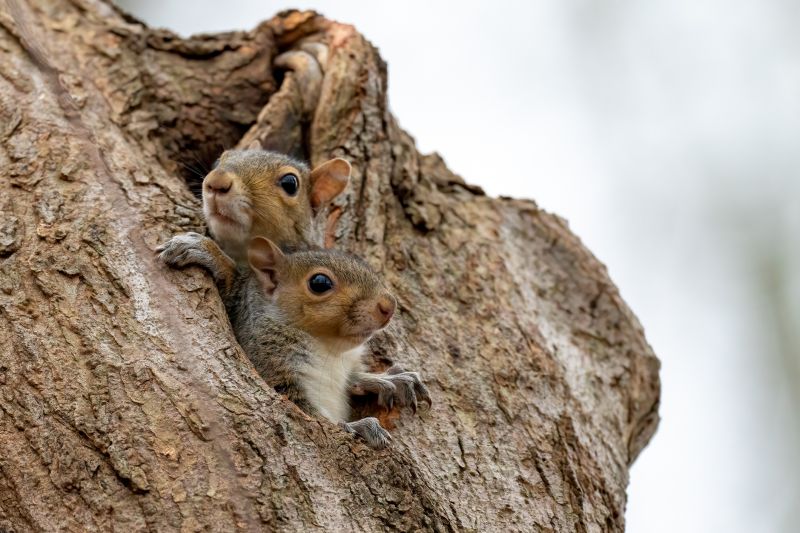
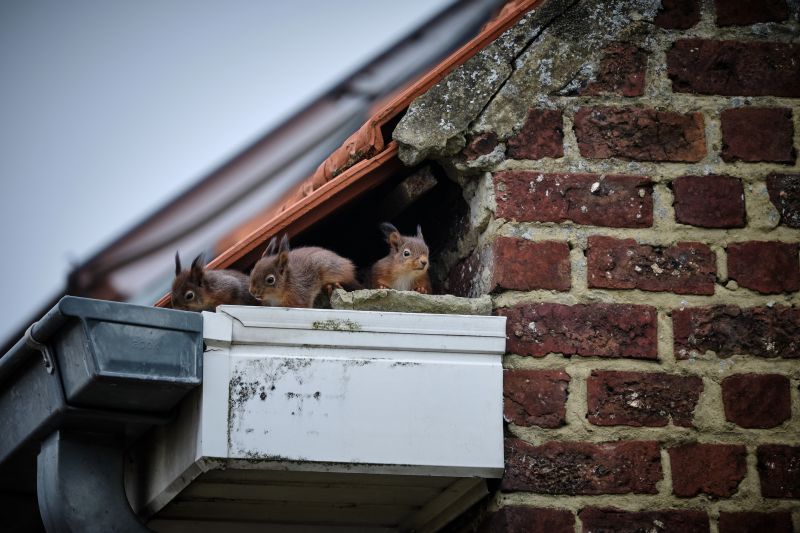
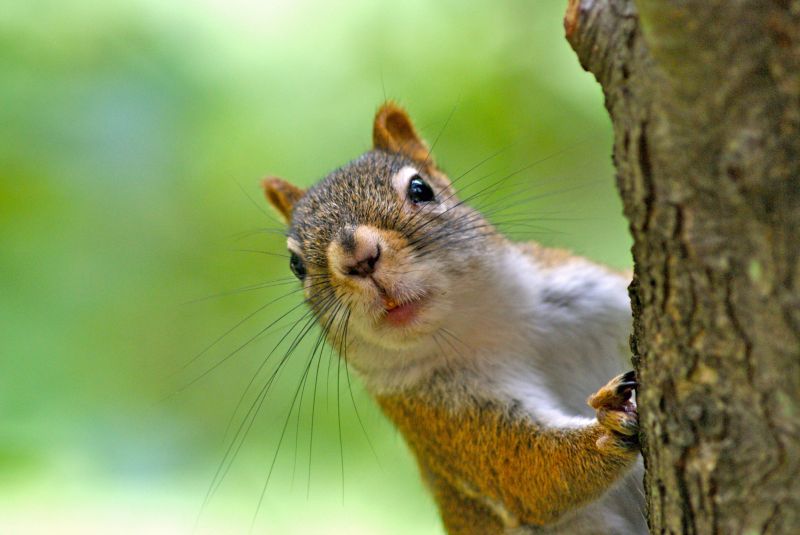
When homeowners search for why squirrels in walls create serious fire and structural risks, they are typically concerned about the potential dangers posed by these small animals nesting within their property. Squirrels often seek shelter inside wall cavities, attics, or other hidden spaces, especially during colder months. While they may seem harmless at first, their presence can lead to significant problems if not addressed promptly. People often want to understand how these animals can cause damage beyond the nuisance of noise or droppings, focusing on the safety and integrity of their homes.
The problems associated with squirrels in walls are diverse and can impact multiple aspects of property safety. Their nesting habits involve gnawing on wood, wiring, and insulation, which can weaken structural components over time. This gnawing can also expose electrical wiring, increasing the risk of short circuits or electrical fires. Additionally, squirrel droppings and urine can lead to mold growth and unpleasant odors, further compromising indoor air quality. Homeowners planning repairs or prevention strategies often seek guidance on how to safely remove the animals and mitigate these risks, making the role of local service providers essential.
Certain types of properties are more prone to squirrel infestations in walls, especially older homes with accessible attic spaces or poorly sealed entry points. Residential houses with gaps around vents, windows, or rooflines provide easy access for squirrels to enter wall cavities. Similarly, properties with trees close to the structure offer convenient routes for these animals to climb and nest. Commercial buildings and outbuildings can also be affected if they have similar vulnerabilities. Recognizing these property types helps homeowners understand the importance of professional inspection and removal services to prevent or address these issues effectively.
Local contractors specializing in squirrel removal play a vital role in addressing the fire and structural risks associated with squirrels in walls. They can assess the extent of the problem, safely remove the animals, and recommend repairs to prevent future entry. Proper exclusion techniques, such as sealing entry points and installing barriers, are crucial to keeping squirrels out of the walls once they are removed. Engaging experienced service providers ensures that the problem is handled thoroughly, reducing the chance of ongoing damage or safety hazards. For homeowners concerned about these risks, connecting with local pros can be a practical step toward protecting their property and peace of mind.
Wildlife Exclusion Projects - These projects involve sealing entry points and removing animals from structures, similar to squirrel removal in walls to prevent fire and structural risks.
Attic Insulation and Ventilation Services - Proper insulation and ventilation help deter squirrels from nesting in walls and attics, reducing fire hazards caused by nesting materials.
Structural Damage Repair - Repairing and reinforcing damaged walls and rafters is essential after squirrel activity, addressing risks related to weakened structures and fire safety.
Pest Proofing and Prevention - These services focus on securing buildings against animal entry, which aligns with preventing squirrels from creating fire and structural risks inside walls.
Electrical Wiring Inspection and Repair - Inspecting and fixing damaged wiring caused by squirrels can prevent electrical fires linked to rodent activity within walls.
Carpentry and Framing Services - Skilled carpentry is needed to repair or replace wall sections affected by squirrel nesting, ensuring structural integrity and safety.
When evaluating local contractors for squirrel removal, it is important to consider their experience with similar projects. Squirrels in walls can cause significant damage and pose serious fire and structural risks, making expertise in safely removing these animals and repairing affected areas essential. Service providers with a proven track record handling situations involving wildlife in residential structures are more likely to understand the complexities involved and deliver effective solutions. Inquiring about previous work or requesting references related to squirrel removal can help establish whether a contractor has the necessary background to manage the unique challenges of these jobs.
Clear written expectations are crucial when comparing service providers for squirrel removal. Homeowners should seek detailed descriptions of the scope of work, including inspection procedures, removal techniques, and repair plans for any damage caused by squirrels. Well-defined expectations help ensure that both parties understand what will be done to eliminate the risk of future infestations and mitigate potential fire hazards caused by chewed wiring or nesting materials. A reputable contractor will be transparent about their process and provide documentation that outlines the steps involved, reducing uncertainties and fostering confidence in the service.
Good communication is a key factor in choosing the right local contractor for squirrel removal. Service providers who communicate clearly and promptly can better address questions about the risks associated with squirrels in walls, such as fire hazards and structural damage. They should be willing to explain their methods, answer concerns about safety, and provide guidance on prevention measures. Reliable communication helps homeowners stay informed throughout the project, ensuring that expectations are met and that any issues are addressed quickly. Selecting a contractor who values transparency and responsiveness can lead to a smoother experience and more effective resolution of the risks posed by squirrels in walls.
Property owners often search for why squirrels in walls create serious fire and structural risks when they are planning practical projects around their homes and businesses. Local pros provide Squirrel Removal services for everyday jobs and straightforward project options.
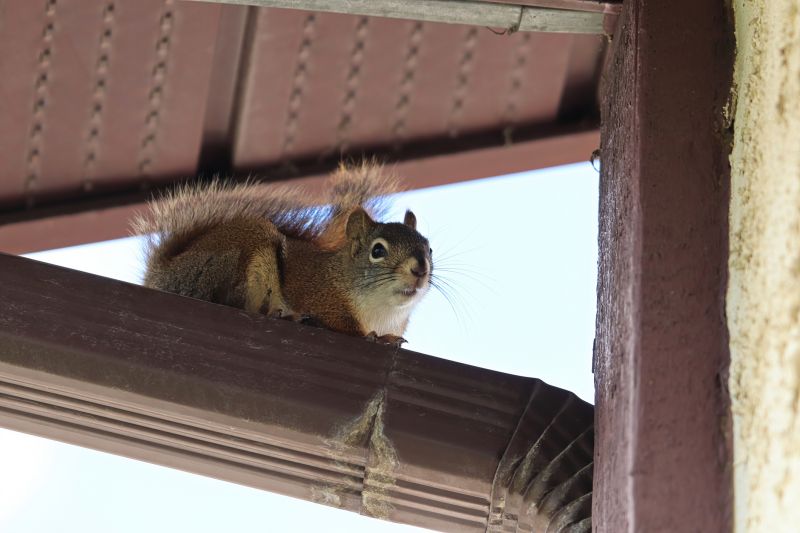
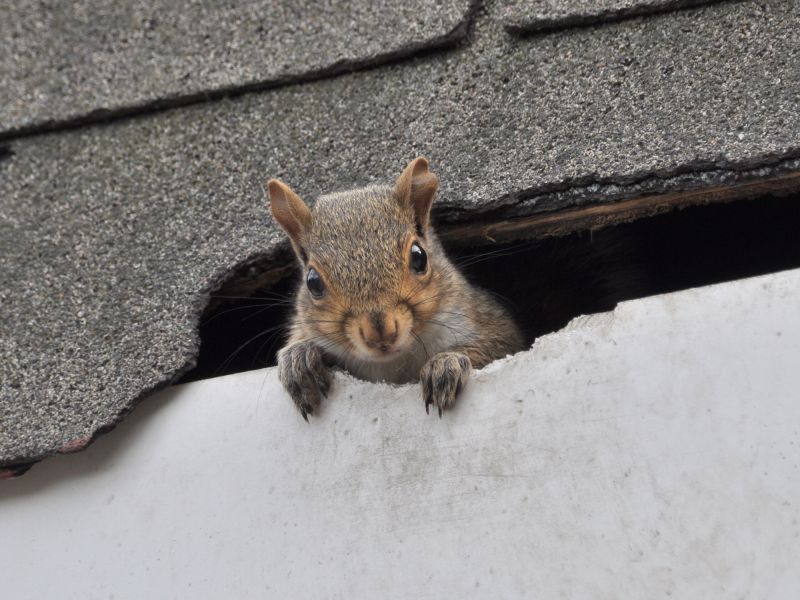
Squirrels nesting inside walls can pose significant fire hazards due to their tendency to chew on electrical wiring. Their constant gnawing can damage insulation and expose live wires, increasing the risk of electrical shorts or sparks that could ignite surrounding materials. Property owners dealing with squirrel activity often seek the help of local contractors who specialize in squirrel removal and repair to prevent these dangerous situations from developing further.
In addition to fire risks, squirrels in walls can also compromise structural integrity over time. Their nesting habits and frequent movement can cause damage to wall framing, insulation, and other building components. This ongoing activity may lead to weakened structures or even mold growth if moisture seeps in. Connecting with experienced service providers can help address these issues promptly, ensuring that squirrel infestations are safely managed and property damage is minimized.
Why do squirrels in walls pose fire risks? Squirrels often chew on electrical wiring inside walls, which can cause sparks or short circuits that increase the risk of fires.
How can squirrels in walls damage a building’s structure? The gnawing behavior of squirrels can weaken wooden framing and insulation, leading to compromised structural integrity over time.
What are the dangers of ignoring squirrel activity in walls? Ignoring squirrel presence can lead to extensive damage, increased fire hazards, and potential health issues from accumulated droppings and nesting materials.
How do local contractors handle squirrel removal to reduce fire and structural risks? They use specialized techniques to safely remove squirrels and inspect electrical systems and structural components for damage or hazards.
What steps do service providers take to prevent future risks from squirrels in walls? They seal entry points, remove nesting materials, and recommend ongoing maintenance to prevent re-infestation and associated risks.
Identify entry points in walls - property owners can inspect for small openings or gaps that squirrels may use to access wall cavities, enabling local contractors to seal these entry points effectively.
Assess wiring and insulation damage - understanding how squirrels may damage electrical wiring and insulation helps in planning targeted removal and repairs with the help of local pros.
Monitor signs of nesting activity - recognizing signs such as droppings or chewed materials can prompt timely intervention by service providers to prevent fire hazards.
Plan for structural repairs - after squirrel removal, property owners can work with local contractors to restore damaged wall structures, reducing the risk of future infestations and associated dangers.
If you are thinking about why squirrels in walls create serious fire and structural risks for a property, this guide is meant to help you understand this topic, the typical project types, and how different options might fit your plans.
When you are ready, you can use the quote form on this page to share a few details about your project. From there, local pros can review the basics and follow up with options that match what you have in mind.