How Squirrels Turn Attics Into Nesting and Chewing Zones
People searching for squirrel removal are typically looking to stop squirrels from turning attics into nesting and chewing zones, and local service providers can safely handle the removal and prevention.
Understanding how squirrels turn attics into nesting and chewing zones is essential for property owners who want to protect their homes from potential damage. Squirrels are resourceful creatures that often seek out warm, hidden spaces to raise their young and store food, making attics an attractive target. If these animals establish themselves in an attic, they can cause significant issues, including chewed wiring, insulation damage, and debris buildup. Exploring this topic can help homeowners recognize early signs of squirrel activity and appreciate the importance of professional assistance to address the situation effectively.
For those in the local area, connecting with experienced service providers can make a difference in resolving squirrel-related problems efficiently. Local contractors specializing in squirrel removal understand how these animals turn attics into nesting and chewing zones and can offer practical solutions to eliminate the issue. Keep reading to learn more about how squirrels invade attics and the steps that qualified professionals take to restore safety and comfort to your home.
- Squirrel exclusion - homeowners noticing squirrels in the attic may need local contractors to seal entry points and prevent future nesting.
- Attic inspection and removal - when squirrels have established nests, local service providers can safely remove the animals and assess damage.
- Chewing damage repair - signs of chewed wiring or insulation often prompt repairs handled by experienced local pros to restore attic safety.
- Entry point sealing - identifying and sealing gaps or holes where squirrels enter is a key step local contractors perform to protect the space.
- Nesting zone cleanup - after squirrels have nested, local specialists can remove debris and sanitize the attic to prevent health issues.
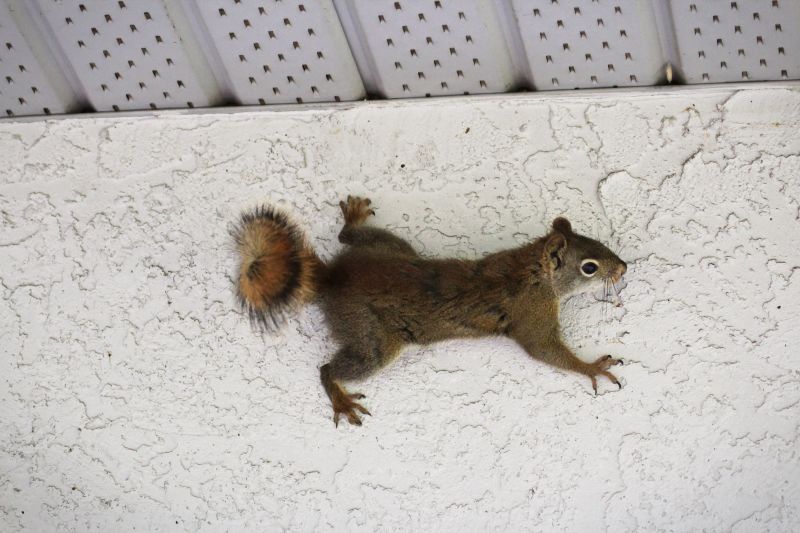
When people search for how squirrels turn attics into nesting and chewing zones, they are often trying to understand why their homes have become attractive to these rodents. Squirrels are known for seeking out warm, safe spaces to raise their young, and attics provide an ideal environment due to their secluded location and insulation. Homeowners may notice signs like chewed wiring, shredded insulation, or the presence of squirrel droppings, which indicate that these animals have taken up residence. Understanding this behavior helps homeowners recognize the importance of addressing the issue promptly to prevent further damage and potential health concerns.
This topic is closely related to problems such as property damage, electrical hazards, and the need for pest control measures. Squirrels can cause significant harm by gnawing on wood and electrical wiring, which increases the risk of fires and costly repairs. Many property owners plan to remove these animals and prevent future infestations, especially in homes where squirrels have been persistent. Addressing how squirrels turn attics into nesting and chewing zones often involves both removal and exclusion strategies, making it essential to work with experienced service providers who understand squirrel behavior and property protection.
Properties most commonly affected by squirrels turning attics into nesting and chewing zones tend to be single-family homes, especially those with accessible rooflines, vents, or gaps in the exterior. Older homes with less secure roofing and siding are particularly vulnerable, as squirrels can easily find entry points. Attics that lack proper insulation or sealing are more attractive to these animals, providing a cozy environment for nesting and raising young. Identifying these property types helps homeowners recognize the importance of proactive measures to secure their homes against future squirrel activity.
Connecting with local service providers who specialize in squirrel removal and exclusion can make a significant difference in resolving issues related to squirrels turning attics into nesting and chewing zones. These professionals can assess the property, identify entry points, and implement effective exclusion methods to prevent re-entry. They also provide safe removal of existing squirrels and damage repair services, helping homeowners restore their attic spaces and protect their homes from further harm. Engaging with experienced local contractors ensures that the problem is addressed thoroughly and efficiently, reducing the risk of ongoing damage and unwanted rodent activity.
Roof Repair Projects - local contractors who specialize in roof repairs can help seal entry points that squirrels use to access attics, preventing future nesting and chewing damage.
Attic Insulation Installation - experts in attic insulation can improve energy efficiency while also ensuring that squirrels cannot create nesting zones within insulation materials.
Wildlife Exclusion Services - wildlife removal specialists focus on humane exclusion methods to block squirrels from turning attics into nesting and chewing zones.
Pest Proofing Projects - pest proofing professionals can identify and eliminate vulnerabilities that allow squirrels to invade and damage attic spaces.
Attic Cleanup and Restoration - restoration experts can remove nesting materials and repair damage caused by squirrels, restoring attic safety and integrity.
Attic Ventilation Improvements - contractors who upgrade attic ventilation can help reduce conditions that attract squirrels to turn attics into nesting and chewing zones.
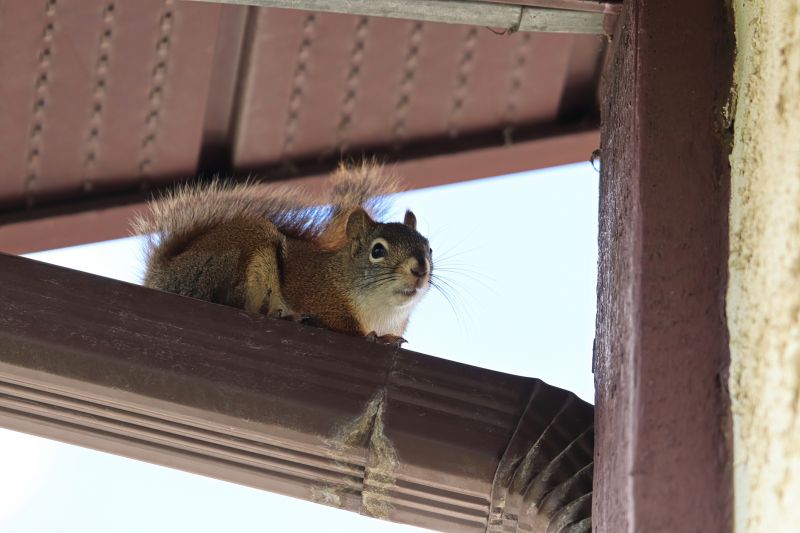
When evaluating service providers for squirrel removal, it is important to consider their experience with similar projects, particularly those involving squirrels turning attics into nesting and chewing zones. An experienced contractor will have a better understanding of how squirrels behave and the typical signs of infestation, which can lead to more effective removal and prevention strategies. Homeowners should inquire about the number of similar jobs a contractor has completed and ask for details about their familiarity with attic-specific issues caused by squirrels, ensuring they have the practical knowledge needed to handle the unique challenges of this type of wildlife control.
Clear written expectations are essential when selecting a contractor for squirrel removal. A reputable service provider should be able to outline the scope of work, including inspection procedures, removal methods, and any necessary repairs or exclusions to prevent future intrusions. This clarity helps homeowners understand what services will be provided and sets realistic expectations for the process. It’s also advisable to seek service providers who are transparent about their approach and can provide detailed, written descriptions of the steps involved, ensuring there are no surprises once the work begins.
Good communication and reputable references are key indicators of a reliable contractor. Homeowners should look for service providers who are responsive and willing to answer questions about their experience, methods, and policies. Additionally, requesting references or reviews from previous clients can provide insight into the quality of work and customer satisfaction. A contractor with a history of positive feedback and clear, ongoing communication is more likely to deliver a thorough and professional service, helping to ensure that the problem of squirrels turning attics into nesting and chewing zones is addressed effectively and efficiently.
Property owners often search for how squirrels turn attics into nesting and chewing zones when they are planning practical projects around their homes and businesses. Local pros provide Squirrel Removal services for everyday jobs and straightforward project options.
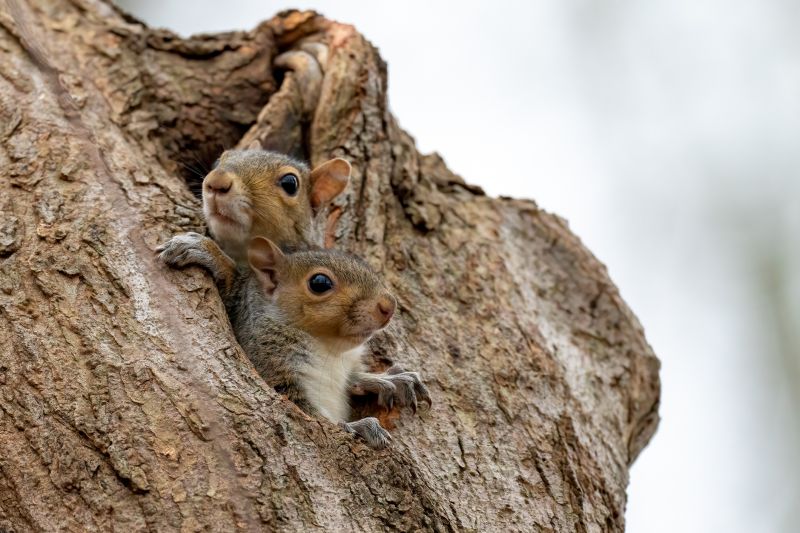
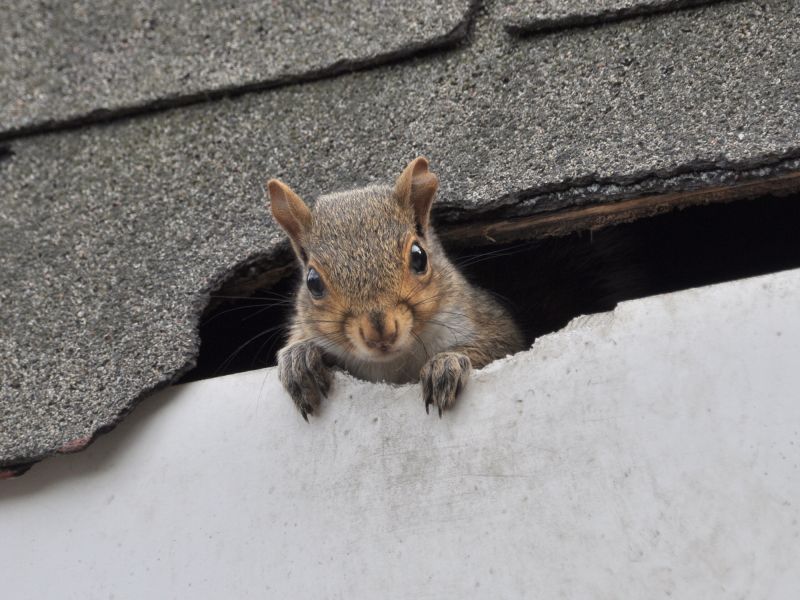
Squirrels often seek out attics as safe, warm spaces to build nests and raise their young. Property owners might notice signs such as chewed wiring, insulation damage, or the presence of squirrel droppings, which can indicate that these creatures have turned their attic into a nesting zone. Since squirrels are known for their persistent chewing habits, they can cause significant damage to attic structures and wiring, potentially leading to costly repairs. When these issues arise, local contractors who specialize in squirrel removal and attic restoration can help address the problem efficiently and safely.
Understanding how squirrels turn attics into nesting and chewing zones highlights the importance of prompt intervention. Property owners searching for solutions may consider reaching out to local service providers experienced in squirrel removal and attic cleanup. These professionals can assess the situation, remove the animals, and implement measures to prevent future intrusions. Engaging with experienced local contractors helps ensure the attic is restored properly, reducing the risk of ongoing damage or health concerns associated with squirrel activity.
How do squirrels typically turn attics into nesting and chewing zones? Squirrels often use attic spaces to create nests by gathering insulation and building nests with materials they find, while chewing on wiring, wood, and other materials to sharpen their teeth and access new areas.
What signs indicate that squirrels have made an attic their nesting and chewing zone? Signs include chewed wiring, nesting materials like shredded insulation, droppings, and scratching sounds within the attic space.
How can local contractors help prevent squirrels from turning attics into nesting and chewing zones? They can inspect for entry points, seal openings, remove existing nests, and implement exclusion methods to keep squirrels out and protect the attic space.
Why is it important to address squirrel activity in attics promptly? Prompt action helps prevent damage to electrical wiring, insulation, and structural components, reducing the risk of fire hazards and costly repairs.
What methods do service providers use to remove squirrels and protect attics from future issues? They typically trap and remove existing squirrels, seal entry points, and may install barriers or deterrents to prevent future infestations.
Identify entry points - property owners can work with local contractors to find and seal gaps or openings that squirrels use to access attics.
Remove nesting materials - professional squirrel removal services can clear out debris and materials that attract squirrels to turn attics into nesting zones.
Implement deterrents - local pros can suggest and install humane deterrents to discourage squirrels from returning to attic spaces.
Perform attic cleanup and repairs - experts can assess and repair damage caused by squirrels, preventing future chewing and nesting activities.
If you are thinking about how squirrels turn attics into nesting and chewing zones for a property, this guide is meant to help you understand this topic, the typical project types, and how different options might fit your plans.
When you are ready, you can use the quote form on this page to share a few details about your project. From there, local pros can review the basics and follow up with options that match what you have in mind.